Interview
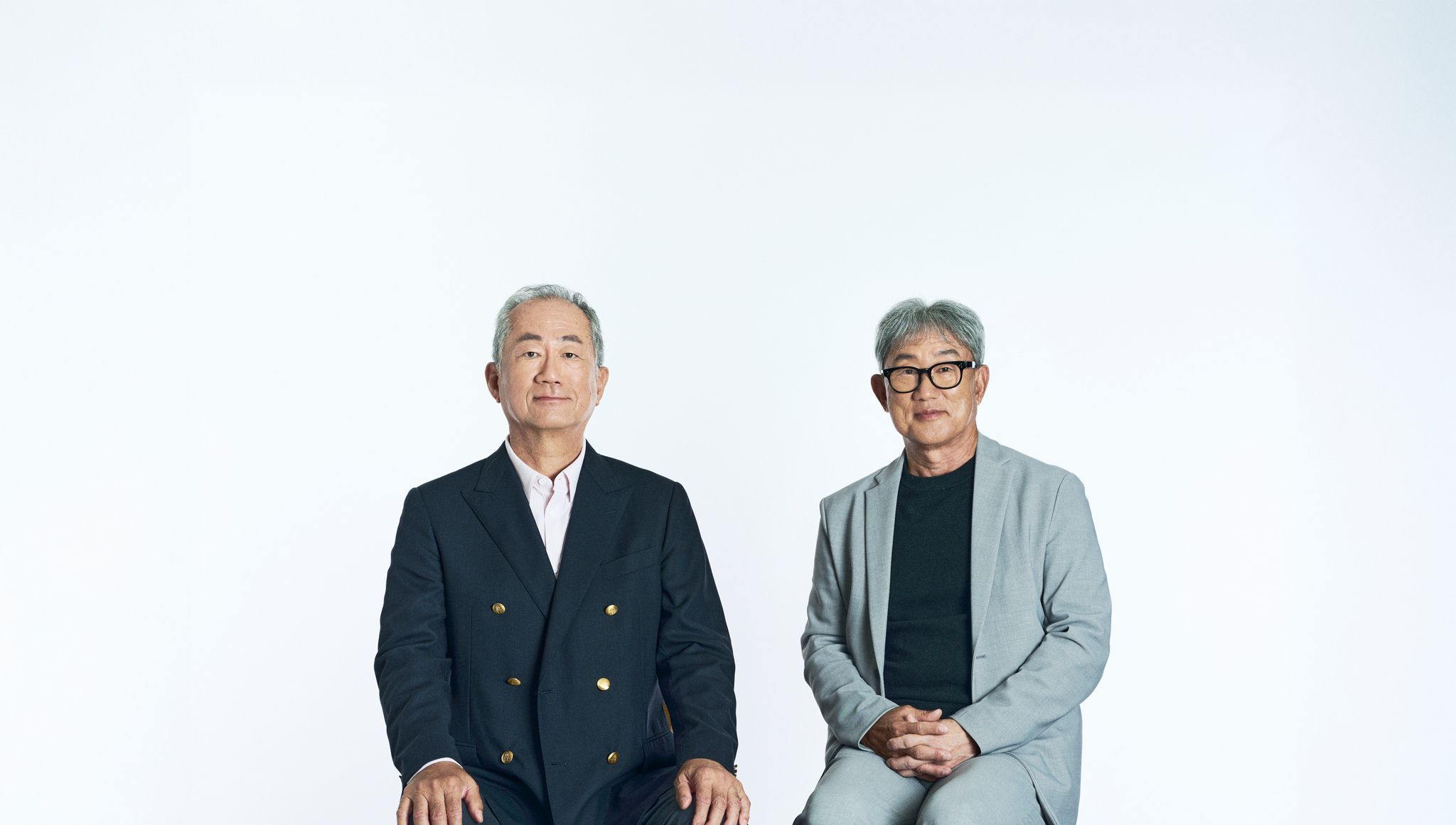
CyberAgent initiated a new era of leadership following the General Meeting of Shareholders in December 2025, as Takahiro Yamauchi took the helm as President, succeeding founder Susumu Fujita. The strategy involves transitioning to a structure with two Representative Directors—the Chairman and the President—to ensure a smooth handover of presidential responsibilities.
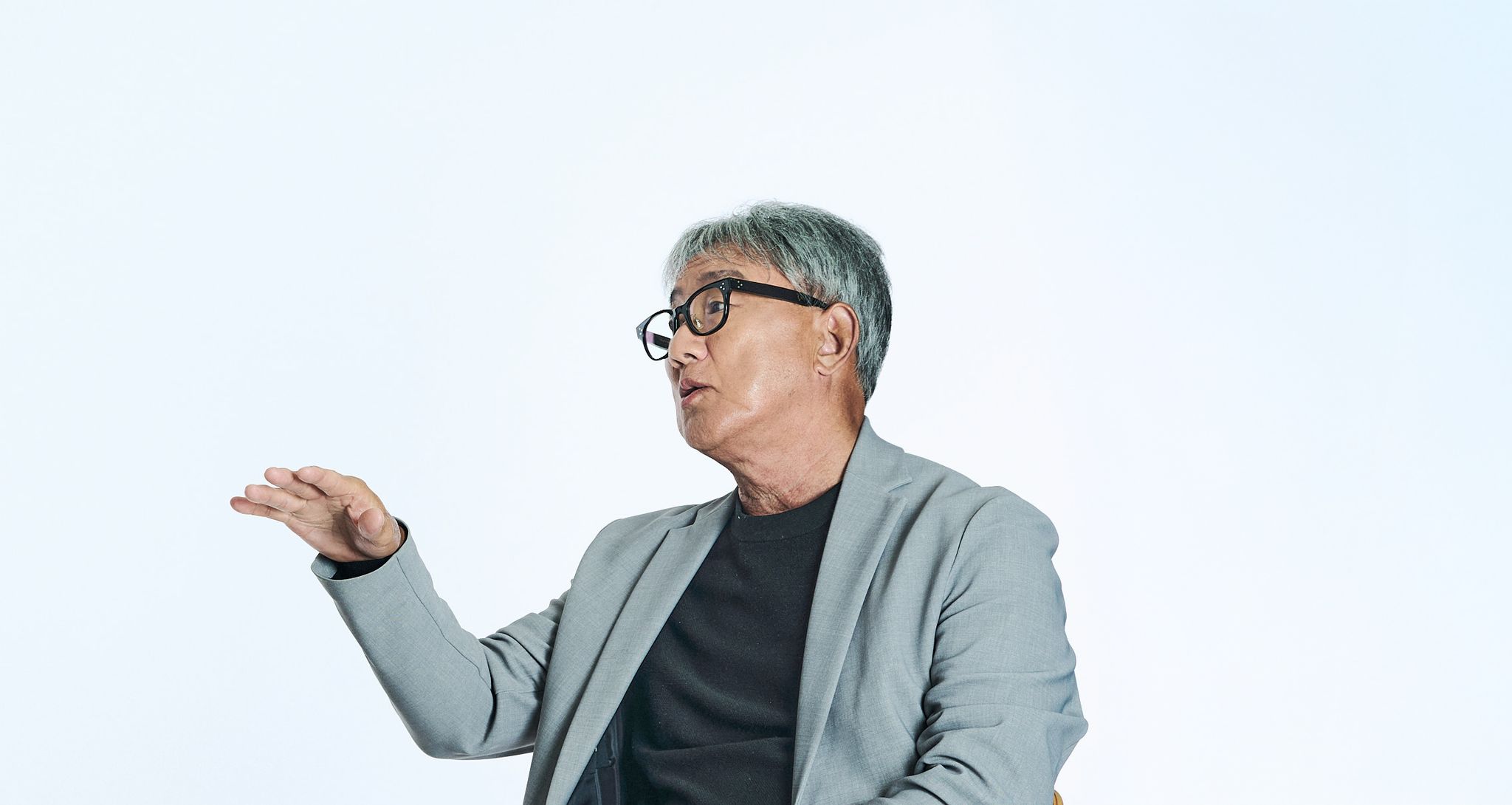
We interviewed Koichi Nakamura and Kozo Takaoka, both serving as Outside Directors, to gain their insights on the presidential transition and the outlook for driving long-term growth and value creation.
Driving Sustainable Corporate Value Through a Renewed Management Structure
Nurturing Future Leaders and the Selection Process for the Second President
TakaokaAround 2022, Mr. Fujita expressed his desire to develop his successor, and the Board of Directors took on the Presidential succession plan as a top priority. Since CyberAgent did not have a formal educational system for successor development, I remember advising, based on my experience, that it would be reckless to select a successor without a proper training program. Following this discussion, we selected 16 internal candidates and implemented presidential training, featuring academic curricula and a program designed to allow them to vicariously experience Mr. Fujita's critical decision-making.
I believed the ideal outcome was not for Mr. Fujita or the directors to unilaterally choose the next president, but for the 16 candidates to engage in constructive rivalry, allowing a leader to naturally emerge who earned the trust of peers as being "fit to be president." Through this process, all participants gained equal insight into each other's diverse capabilities, and I felt a strong, organic consensus emerged early on in favor of selecting Mr. Yamauchi.
After the presidential training, we established a dedicated capability development period for the final candidates to acquire the skills essential for the presidency. In particular, we strategically placed Mr. Yamauchi in an area central to our medium to long-term growth strategy but not yet profitable, to test his ability to deliver tangible results by mobilizing and engaging diverse stakeholders.
NakamuraWhile all candidates have impeccable track records in their business backgrounds, the role of President demands a company-wide vision, strategic execution, and the ability to unify the organization.
We assigned Mr. Yamauchi the critical responsibility of leading the Media & IP business, and throughout this phase, we assessed the extent of his leadership capability development. Based on these observations, along with the results of external assessments and input from internal directors, we determined that—while he still needs to further skill development—he is, viewed holistically, the most qualified individual to serve as the second President. This decision was formally resolved by the Nomination and Compensation Advisory Committee.
Expectations for President Yamauchi: Strategy Execution and Cultural Inheritance
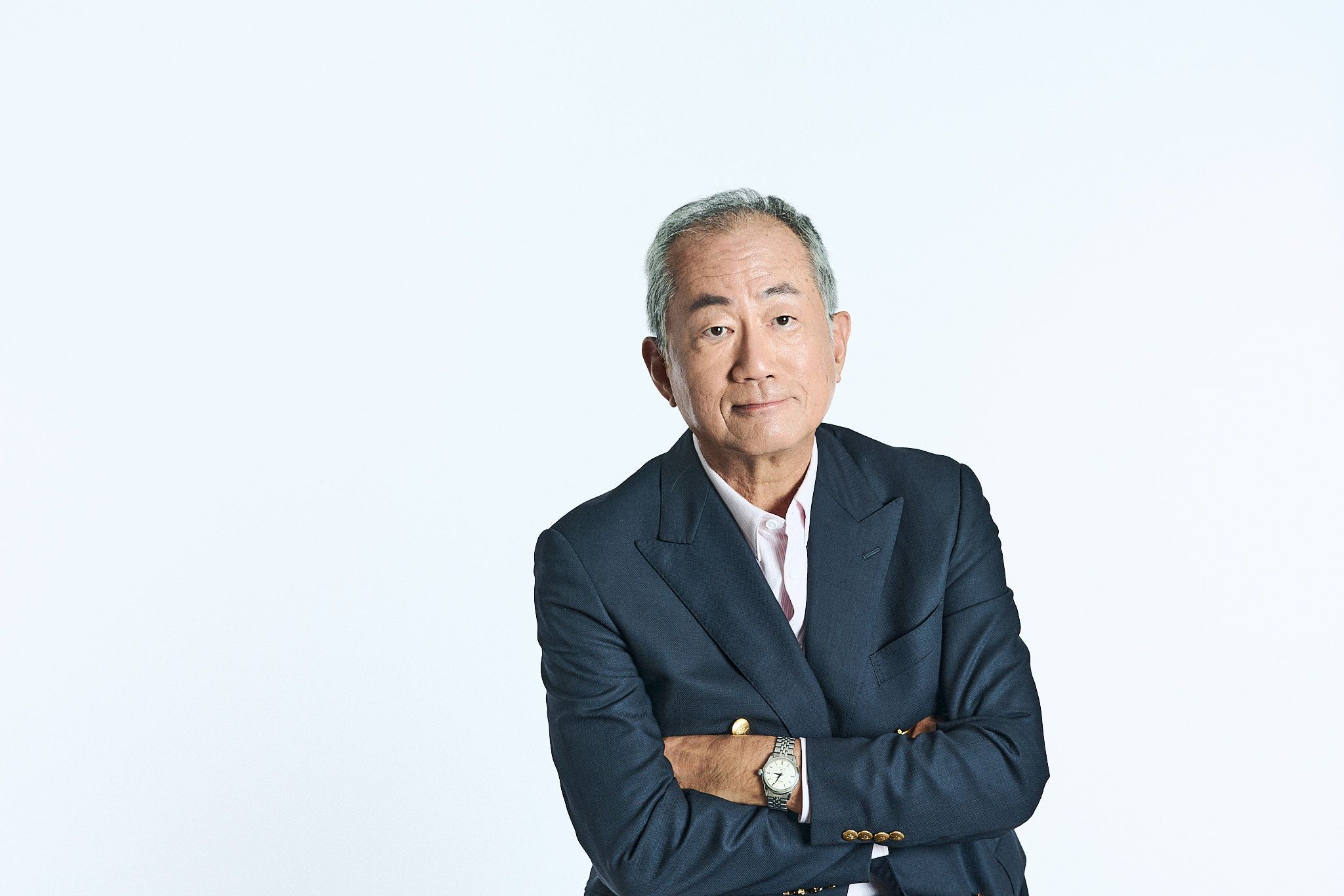
NakamuraMr. Yamauchi will continue to lead the Media & IP business, which is the core of our current medium to long-term strategy. I recognize that the growth strategy has been refined this past year, but the essential requirement moving forward will be the creation of globally resonant original IPs. Just as ABEMA's current form differs slightly from its initial vision, Mr. Yamauchi's critical role and the expectations we place on him are to execute the IP-centric strategy while demonstrating the agility to course-correct in response to environmental and business shifts, thereby delivering consistent results.
TakaokaAs President, he is required to develop a habit of viewing our strategy more comprehensively than ever before, constantly reviewing and making corrections to ensure the management strategy is fundamentally sound. Taking sufficient time to think and deliberate will solidify his expertise, bolstering his confidence.
I hope that CyberAgent's culture of boldly entrusting important work regardless of age will not only remain but be further expanded. Mr. Yamauchi, who has contributed actively for over 20 years, deeply understands and embodies this culture, and we expect him to continue driving innovation as the new President.
Oversight and Recommendations by Outside Directors During the Transition
NakamuraWe regard the strategic enhancement of our competitiveness through external assets, particularly M&As over the last few years, as a major leap forward for CyberAgent. Considering the strong potential for further scaling our investments, critical financial strategies, including fundraising, capital policy, and financial management, will be critical issues.
While M&A policies and evaluation criteria for candidates have been refined this past year, one key uncompleted step is the formal establishment of policies for compensation, business management, and investment standards. Management decisions previously reliant on Mr. Fujita's intuitive experience must be codified into principles and metrics that can be sustained regardless of who holds the presidency in the future. I intend to provide guidance on these matters throughout the transition period.
TakaokaThe leadership transition from Mr. Fujita, who has steered the company for 28 years, is of a uniquely high complexity, far removed from a typical management handover—it cannot be accomplished by simply reading a manual. We believe the current approach, which intentionally avoids strictly defining the roles of the new President and the Chairman while Mr. Fujita mentors the transition, is highly appropriate.
We see Mr. Yamauchi as a leader who blends deep humility with strong inner determination, allowing him to lead and earn the entire team's trust. I will continue to provide objective advice on the optimal path for CyberAgent's future.
Enhancing Diversity in the Management Structure
NakamuraAt the AGM in December 2025, Ms. Yuko Ishida, Senior Managing Executive Officer in charge of Human Resources, was newly appointed as a Director, bringing the female ratio on the Board to 20%. This appointment is the result of sound management judgment, rather than merely aligning with social demands. We assessed Ms. Ishida as highly suitable based on her career history, current mission, and results.
While the internet industry, especially in environments with many engineers, has historically low female representation, I believe that highly capable individuals, regardless of gender, should be actively promoted moving forward.
TakaokaI also believe this is a fairly natural outcome of our prior efforts in talent development, reflecting the evaluation of outstanding individuals. Furthermore, we aim to implement a company-wide successor development plan, known as a succession ladder, for every management tier. By continually preparing individuals to take over positions from the President down to the section manager, we expect the management layer's overall capability to be elevated, thereby increasing the organizational depth.
Strengthening Internal Controls
NakamuraWe sincerely apologize to our shareholders and all stakeholders for the trouble caused by the inappropriate accounting treatment at a consolidated subsidiary discovered in March 2025, which led to the restatement of financial results for the past five years. This was the first incident of its kind since CyberAgent's founding, and we take it extremely seriously.
Initially, this sort of improper accounting was not incorporated into the corporate risk map, indicating a lack of recognition. When first informed, I questioned, "How did this go unnoticed in the company for five years?" and ordered three actions: a thorough investigation, a fundamental review of accounting rules, and an increase in specialists within the Accounting and Internal Audit Departments.
The company culture of "Freedom and Self-Responsibility" is CyberAgent's greatest strength, and we must not implement any rules that undermine this value. However, I believe further strengthening monitoring and checking functions is necessary to prevent similar incidents in the future. Based on the investigation report and subsequent actions, we conclude that comprehensive recurrence-prevention measures have been implemented.
TakaokaIn response to this event, I also proposed improving internal controls at the Board meeting. CyberAgent operates on a culture of good faith, trusting employees, but personally, I feel the audit department should operate on a principle of distrust. Considering that strengthening internal controls is indispensable for protecting the company's brand and enhancing corporate value creation over the medium to long term, particularly for future M&A opportunities.
Driving Sustainable Corporate Value Across Future Presidential Transitions
TakaokaWe believe the appointment of the new President was conducted through diverse perspectives and active discussion, demonstrating the Board's effectiveness in managing the complex challenge of selecting the founder's successor. Although the appointment process is complete, the Board intends to proactively contribute to ensuring that performance continues to improve.
After all, it is the responsibility of the Outside Directors, acting as proxies for the shareholders, to monitor whether the current President remains suitable and to propose a change if judged otherwise.
NakamuraCyberAgent's rapid growth stems directly from a culture that encourages employees to take initiative and try to deliver results from day one.
While we continue to prioritize providing growth opportunities, the central focus now should shift to appropriately assessing performance and mission achievement—irrespective of the employee's background—and to adequately rewarding high-caliber talent with strategically differentiated compensation. This is crucial because aspects previously reliant on Mr. Fujita's charisma must be reviewed during the transition phase. Having been appointed Chair of the Compensation Advisory Committee this term, I am committed to responsibly driving fundamental improvements to the compensation strategy.
Even with future presidential transitions, the fundamental management principles that the company must address remain unchanged. The mandate of the Outside Directors is to provide independent, external oversight, correctly understanding the Purpose and corporate culture, while critically examining immediate issues with an outside perspective.
It is also important to examine the consistency between past decisions and current discussions. Specifically, we consider it our duty to question internal decision-making—asking why and how a conclusion was reached—to deepen the discussion. We are committed to fulfilling our duties as Outside Directors to ensure CyberAgent achieves medium to long-term growth.